





Creating a home office that is both comfortable and productive is essential when working remotely or managing tasks from home. A well-designed workspace can help you stay focused, maintain a healthy routine, and separate your work life from personal life—even if you’re working in a small area. Here are some helpful tips to guide you in setting up a home office where productivity and comfort come together seamlessly.
Choose the Right Location
Your first step is to pick the ideal spot for your home office. The right location helps minimize distractions and create a dedicated environment for work. Consider the following:
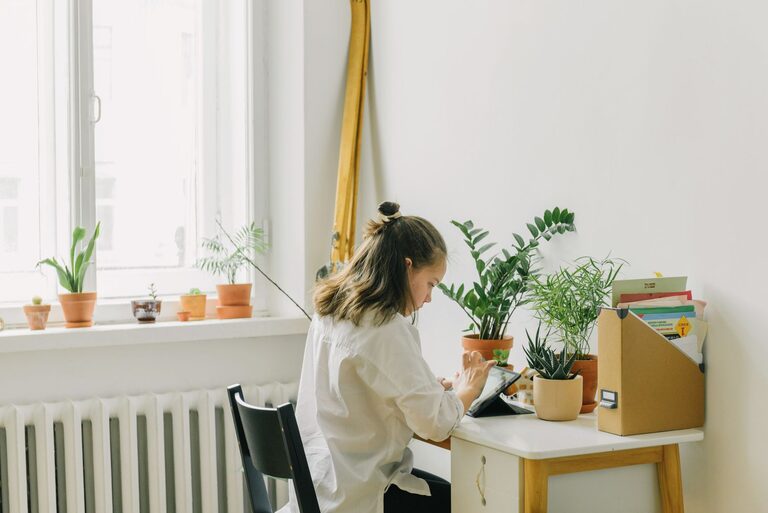
– Natural Light: A space near a window provides natural light, which can boost mood and reduce eye strain.
– Quiet Area: Select a part of your home that is quiet and away from heavy foot traffic.
– Space Availability: Ensure you have enough room for necessary furniture and equipment.
Even a corner in your bedroom or living room can work if arranged thoughtfully.
Invest in Ergonomic Furniture
Comfort starts with furniture that supports your body properly.
– Office Chair: Choose a chair with adjustable height, lumbar support, and cushioned seating to prevent back and neck pain.
– Desk: Find a desk with enough surface area for your computer, accessories, and workspace. Adjustable desks that allow switching between sitting and standing positions are excellent options.
– Keyboard and Mouse: Consider ergonomic keyboards and mice that reduce wrist strain.
Putting your health first will keep you comfortable during long work hours and improve focus.
Optimize Your Lighting
Good lighting reduces eye strain and enhances your productivity.
– Use Natural Light: Position your desk near a window so daylight can illuminate your workspace.
– Task Lighting: Use a desk lamp with adjustable brightness for focused work.
– Avoid Glare: Position screens and lights to avoid glare or reflections that cause headaches.
Adjust lighting based on the time of day and type of work you are doing.
Organize and Declutter
A clutter-free workspace helps clear your mind and boosts creativity.
– Storage Solutions: Use shelves, drawers, or filing cabinets to organize paperwork and office supplies.
– Cable Management: Use clips, ties, or cable boxes to keep cords untangled and out of the way.
– Minimalism: Keep only essential items on your desk to avoid distractions.
Regularly tidying your space will maintain a productive atmosphere.
Personalize Your Workspace
Adding personal touches can make your home office feel inviting and motivating.
– Plants: Indoor plants can improve air quality and add a touch of green.
– Artwork: Hang inspiring artwork or photos that make you happy.
– Colors: Use colors in your décor that energize or calm you, depending on your preference.
Personalization helps make the space uniquely yours and encourages you to spend time there.
Use Technology Efficiently
Equip your office with the right technology to enhance efficiency.
– Reliable Internet: A strong internet connection prevents disruptions during video calls or online work.
– Monitor: Consider an external monitor for more screen space and better ergonomics.
– Accessories: Headphones, webcams, and microphones can improve communication.
Make sure all devices are set up ergonomically and within easy reach.
Establish Boundaries and Routine
Your home office is a space that signals work hours, helping balance professional and personal life.
– Set Work Hours: Define clear start and end times to your workday.
– Breaks: Take short, regular breaks to avoid burnout.
– Work-Only Zone: Use this space exclusively for work to help focus and disconnect after hours.
Creating routines will improve discipline and reduce stress.
Pay Attention to Air Quality and Temperature
Comfort also depends on the environment:
– Ventilation: Open windows or use air purifiers to keep air fresh.
– Temperature Control: Maintain a comfortable temperature with fans, heaters, or air conditioning.
– Humidity: Use a humidifier if the air tends to be dry to prevent discomfort.
A comfortable atmosphere supports concentration and well-being.
Conclusion
Designing a home office that balances comfort and productivity takes a bit of planning but pays off in daily work satisfaction and efficiency. Selecting the right location, investing in ergonomic furniture, optimizing lighting, staying organized, and personalizing your space can transform your home workspace into a place where you thrive. Remember to integrate healthy routines and care for your environment to maintain a sustainable and enjoyable workflow. With these tips, your home office will become a welcoming hub that supports all your work needs.