





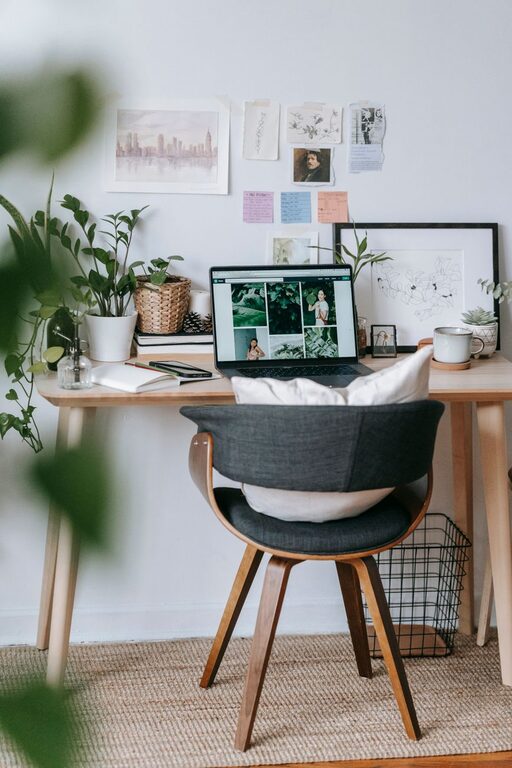
Creating a home office that feels both cozy and productive is essential for anyone working remotely or spending significant time at home. A well-designed workspace can boost your focus, reduce stress, and make your work routine more enjoyable. If you’re looking to enhance your home office, here are some helpful tips to create a space that supports your productivity while also being a comfortable place to spend your day.
1. Choose the Right Location
Selecting the right spot in your home for your office is the first step. Ideally, pick a space that is quiet, well-lit, and away from high-traffic areas to minimize distractions.
– Natural Light: Set up near a window if possible. Natural light improves mood and energy.
– Privacy: A room with a door or a corner nook helps reduce interruptions.
– Space: Make sure you have enough room for your desk, chair, and any equipment.
2. Invest in Comfortable and Functional Furniture
Your furniture choices greatly impact your comfort and productivity. Prioritize ergonomics to prevent discomfort and physical strain.
– Ergonomic Chair: Choose a chair with adjustable height, lumbar support, and cushioning.
– Desk: Find a desk that fits your space and offers enough surface area for your work essentials.
– Standing Options: Consider a sit-stand desk to vary your posture during the day.
3. Organize and Declutter
A tidy workspace helps clear your mind. Keep your desk organized and free from clutter to stay focused.
– Storage Solutions: Use shelves, drawers, or filing cabinets to keep documents and supplies neat.
– Cable Management: Use clips or sleeves to keep cords tidy and out of the way.
– Daily Clean-Up: Spend a few minutes at the end of each day to organize your space.
4. Personalize Your Space
Adding personal touches can make your office feel welcoming and boost your motivation.
– Decor: Add artwork, photos, or plants to create a pleasant environment.
– Colors: Choose colors that inspire you; soft, neutral tones promote calmness, while brighter shades can energize.
– Lighting: Use a desk lamp with adjustable brightness for task lighting.
5. Optimize Lighting for Comfort and Efficiency
Lighting plays a crucial role in reducing eye strain and maintaining focus during your work hours.
– Mix Light Sources: Combine natural light with ambient and task lighting.
– Avoid Glare: Position your computer screen to minimize reflections from windows or lights.
– Adjustable Lighting: Use lamps with dimmers or adjustable brightness to suit different times of day.
6. Incorporate Greenery and Natural Elements
Plants not only add beauty but can also enhance air quality and reduce stress.
– Easy-Care Plants: Choose low-maintenance plants like succulents, snake plants, or pothos.
– Placement: Position plants where they receive appropriate light without disrupting your workspace.
– Natural Materials: Consider wooden desk accessories or stone planters for a calming effect.
7. Set Boundaries and Create a Routine
Separating work from personal life becomes easier when your workspace is clearly defined.
– Dedicated Workspace: Use your office space only for work to mentally separate it from leisure.
– Work Hours: Establish consistent start and end times to maintain balance.
– Breaks: Incorporate short breaks to recharge and avoid burnout.
8. Use Technology Wisely
Equip your home office with the right technology to enhance productivity without adding unnecessary complexity.
– Reliable Internet: Ensure a strong and stable connection for smooth communication.
– Quality Equipment: Invest in a good monitor, keyboard, and mouse that suit your needs.
– Noise-Cancelling Headphones: Useful for blocking out distractions if your space isn’t fully private.
9. Maintain Good Air Quality
Fresh air keeps you alert and healthy throughout your workday.
– Ventilation: Open windows periodically or use fans to circulate air.
– Air Purifiers: Consider adding an air purifier if your room lacks natural airflow.
– Humidity Control: Use a humidifier in dry climates to keep air comfortable.
10. Adjust and Evolve Your Space
Your needs may change over time, so be open to tweaking your office setup.
– Assess Regularly: Reflect on what works and what doesn’t, then make adjustments.
– Stay Inspired: Refresh your decor or add new elements to keep the space exciting.
– Flexibility: Ensure your setup can accommodate evolving work styles or new equipment.
—
By putting these tips into practice, you can create a home office that combines comfort with productivity, helping you work more efficiently and feel better throughout your day. Remember, the best workspace is one that suits your unique needs and preferences, so take time to design a space that truly supports you.